



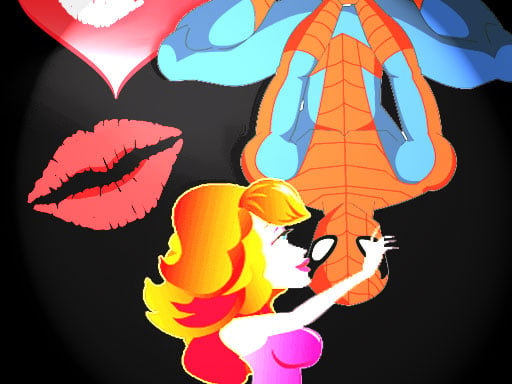












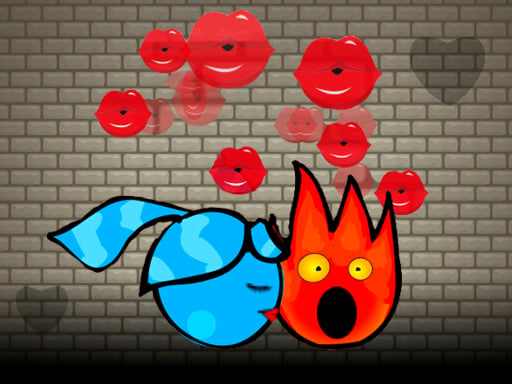















Kissing games focus on romantic interaction and timing-based inputs. Players often manage two characters approaching each other for a kiss. The typical objective is to avoid detection while completing the romantic act. Many kissing games use simple click or tap mechanics to initiate action. Often the core loop involves waiting for a safe moment to act. These games are a specific genre of kissing games requiring patience.
Players must time their actions carefully, waiting for a safe moment, then initiating the kiss, and avoiding detection to succeed. The gameplay loop for romance games involves watching for interruptions while maintaining the kiss duration required.
The primary mechanic in kissing games is usually a hold or click action to initiate the kiss between characters. Players must monitor the environment for interruptions that require stopping the action immediately to avoid failure. The loop repeats as players attempt to achieve a successful kiss duration without getting caught, often requiring multiple attempts. Success in these games often relies on patience and precise timing rather than complex inputs. The core interaction is often a simple click or touch to start and stop the romantic action. Many kissing games feature a timer or a progress bar indicating the duration needed for a successful interaction. The player must balance the risk of being seen against the need to maintain the kiss long enough to win. This creates a tense dynamic where stopping too early fails the objective but stopping too late results in being caught. The environment usually provides visual cues for safe moments, such as a parent leaving the room or a teacher looking away. These moments dictate the pacing of the gameplay loop, forcing the player to react quickly but not impulsively. The reward is typically a victory screen or a score based on how long the kiss was maintained. The genre relies heavily on the thrill of the forbidden and the risk of discovery. Players often replay levels to master the timing and achieve a perfect run. The mechanics are intentionally simple to keep the focus on the tension of the situation. The player's goal is purely to complete the romantic act without interruption. The games often escalate the scenario by adding more potential interruptions or shorter safe windows. The core loop remains consistent: wait, act, and hope for no interruptions. The genre is defined by this specific risk-reward structure. The player must always be ready to stop the action at a moment's notice. The gameplay is repetitive but engaging due to the high stakes. The player's success depends entirely on their ability to read the environment. The games often use visual indicators to show the progress of the kiss. The player must not let the indicator fill completely if an interruption is imminent. The mechanic of holding or clicking is the only input usually required. The player must manage this input across the entire duration of the safe window. The games often feature a variety of settings but the core mechanic remains unchanged. The player must adapt to different visual cues but the action is the same. The genre is built on a single repeated action. The player must master this action to win. The games are short and focused on this single mechanic. The player must execute the action perfectly to succeed. The gameplay loop is tight and unforgiving. The player must learn the patterns of interruptions. The games reward precision and patience. The player must avoid detection at all costs. The genre is defined by this tension. The player must balance risk and reward. The games are simple to learn but hard to master. The player must practice to achieve consistent success. The loop is the core of the experience. The player must respect the timing constraints. The games provide a unique challenge. The player must focus on the task. The mechanic is straightforward. The player must execute it well. The games rely on this interaction. The player must be vigilant. The loop is repetitive. The player must persist. The games are about timing. The player must react fast. The mechanic is the key. The player must use it wisely. The games are about risk. The player must manage it. The loop is the game. The player must master it. The mechanic is simple. The player must perfect it. The games are about the kiss. The player must achieve it. The loop is the path. The player must follow it. The mechanic is the tool. The player must wield it. The games are about success. The player must earn it. The loop is the challenge. The player must overcome it. The mechanic is the core. The player must understand it. The games are about the win. The player must secure it. The loop is the structure. The player must navigate it. The mechanic is the rule. The player must obey it. The games are about the goal. The player must reach it. The loop is the cycle. The player must complete it. The mechanic is the method. The player must apply it. The games are about the objective. The player must fulfill it. The loop is the process. The player must endure it. The mechanic is the action. The player must perform it. The games are about the result. The player must obtain it. The loop is the sequence. The player must execute it. The mechanic is the requirement. The player must meet it. The games are about the victory. The player must claim it. The loop is the path to success. The player must walk it. The mechanic is the key to winning. The player must turn it. The games are about the experience. The player must have it. The loop is the design. The player must engage with it. The mechanic is the foundation. The player must build upon it. The games are about the interaction. The player must initiate it. The loop is the rhythm. The player must match it. The mechanic is the command. The player must follow it. The games are about the outcome. The player must determine it. The loop is the journey. The player must take it. The mechanic is the rule set. The player must learn it. The games are about the challenge. The player must accept it. The loop is the test. The player must pass it. The mechanic is the solution. The player must find it. The games are about the play. The player must engage in it. The loop is the activity. The player must do it. The mechanic is the function. The player must use it. The games are about the fun. The player must seek it. The loop is the entertainment. The player must enjoy it. The mechanic is the purpose. The player must fulfill it. The games are about the thrill. The player must feel it. The loop is the excitement. The player must experience it. The mechanic is the thrill. The player must chase it. The games are about the win. The player must achieve it. The loop is the way. The player must go it. The mechanic is the how. The player must know it. The games are about the what. The player must do it. The loop is the why. The player must understand it. The mechanic is the who. The player must be it. The games are about the when. The player must time it. The loop is the where. The player must be there. The mechanic is the which. The player must choose it. The games are about the how much. The player must manage it. The loop is the how long. The player must endure it. The mechanic is the how often. The player must repeat it. The games are about the how well. The player must perform it. The loop is the how fast. The player must act it. The mechanic is the how slow. The player must wait it. The games are about the how close. The player must approach it. The loop is the how far. The player must reach it. The mechanic is the how many. The player must count it. The games are about the how few. The player must minimize it. The loop is the how many times. The player must do it. The mechanic is the how much time. The player must use it. The games are about the how little time. The player must save it. The loop is the how much risk. The player must take it. The mechanic is the how little risk. The player must avoid it. The games are about the how much reward. The player must get it. The loop is the how little reward. The player must accept it. The mechanic is the how much effort. The player must exert it. The games are about the how little effort. The player must minimize it. The loop is the how much skill. The player must show it. The mechanic is the how little skill. The player must need it. The games are about the how much luck. The player must rely on it. The loop is the how little luck. The player must avoid relying on it. The mechanic is the how much fun. The player must have it. The games are about the how little fun. The player must endure it. The loop is the how much tension. The player must feel it. The mechanic is the how little tension. The player must relax it. The games are about the how much pressure. The player must handle it. The loop is the how little pressure. The player must avoid it. The mechanic is the how much focus. The player must give it. The games are about the how little focus. The player must lose it. The loop is the how much patience. The player must have it. The mechanic is the how little patience. The player must run out of it. The games are about the how much practice. The player must do it. The loop is the how little practice. The player must fail without it. The mechanic is the how much time spent. The player must invest it. The games are about the