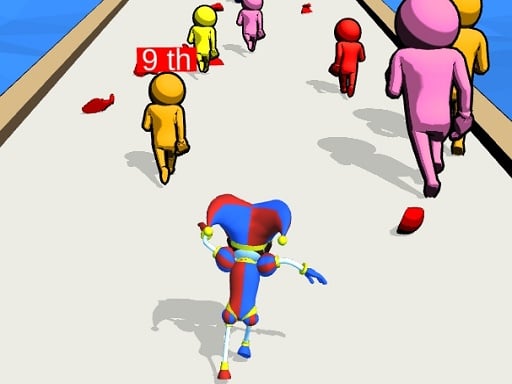
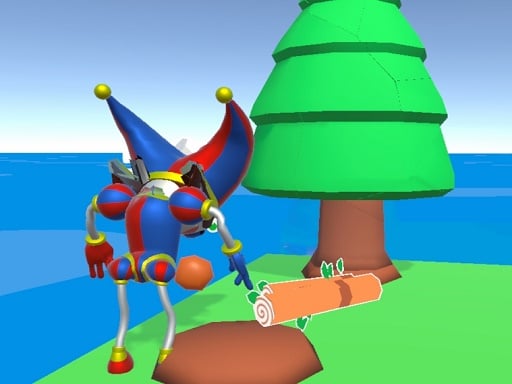
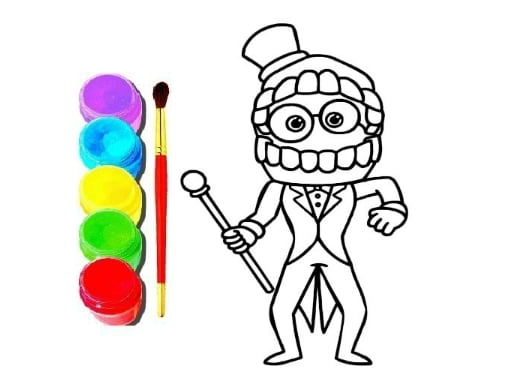


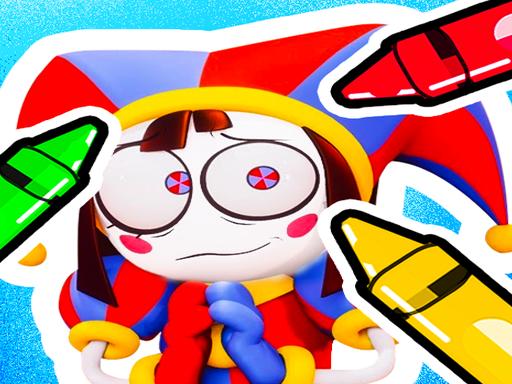
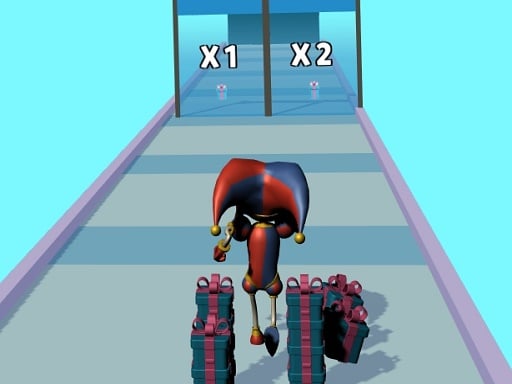













Circus games simulate performances under the big top. Players manage stunt timing and resource allocation. They often require precise input for basic actions. The genre focuses on maintaining circus management games mechanics.
Immediately perform specific actions to keep the show running without delay or error. Use basic controls to collect items, build structures, match patterns, or place objects. Aim and shoot are common verbs for certain genre entries. Park and flip actions also define specific circus game experiences.
The core loop involves repeating a series of actions to satisfy audience demands and maintain performance metrics. Players must balance movement with object manipulation to prevent failure states and keep the routine flowing smoothly. This cycle of action circus games typically requires constant attention to timing and positioning. Success in performance circus games relies on executing the correct sequence of moves repeatedly. Obstacles appear as generic hazards that must be avoided or overcome through precise player input.
Remember that consistency in your inputs leads to better stability in the performance. Focus on the specific actions you have available rather than looking for hidden features. Practice the timing of your moves to ensure the sequence completes without interruption. Use the environment to your advantage by planning your path before starting the routine.
Q: What are the typical controls? A: Controls are not stated, but actions include collect, build, match, place, aim, shoot, park, and flip.
Q: What is the main objective? A: The objective is to perform circus acts successfully and maintain audience satisfaction through repeated actions.
Q: Is there a specific story? A: Specific stories are not defined for the genre, focusing instead on performance mechanics.
Q: What is the primary mechanic? A: The primary mechanic is executing timed sequences of actions to simulate circus performances.