
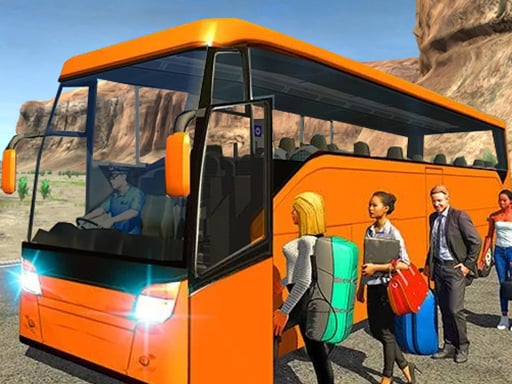
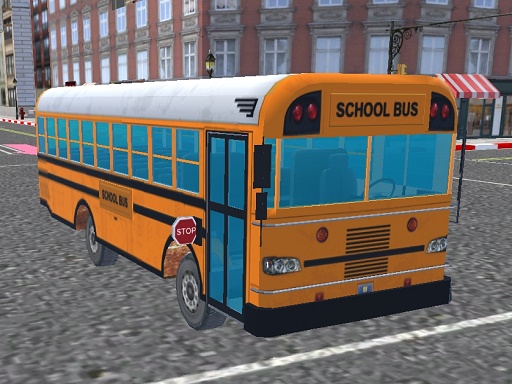
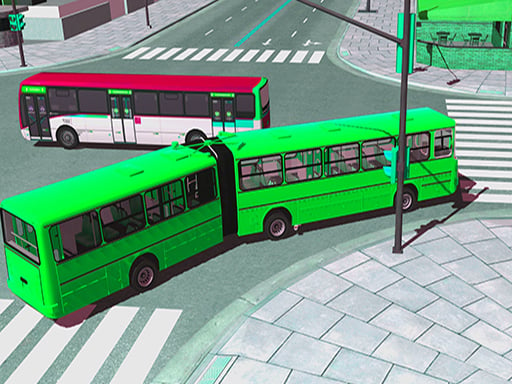
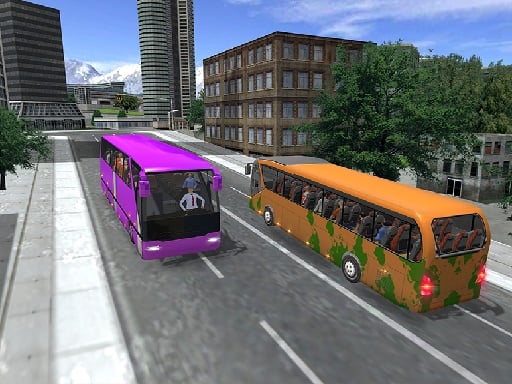
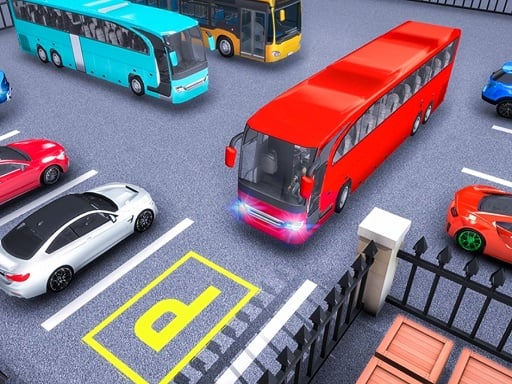















Bus games focus on urban transport simulation and route management mechanics. Players typically operate large vehicles with steering, acceleration, and braking controls. Common objectives involve picking up and dropping off passengers at designated stops. These games often simulate realistic traffic, schedules, and vehicle physics. A key genre staple is the bus driving game experience.
Often the core task is to navigate city streets while following traffic rules and managing passenger loads, the player must use steering, acceleration, and braking controls to operate the vehicle, and they need to pick up and drop off passengers at specific stops, completing the route efficiently in this simulation bus games category.
The main loop requires driving along a set route, stopping at bus stops to pick up and drop off passengers while adhering to traffic signals and avoiding collisions with other vehicles. Players must manage speed and fuel consumption, which are standard mechanics in this category, to complete the route without accidents or significant delays. Successful completion of routes earns money, which is used to unlock new buses or upgrades, a progression system common in bus simulator games and city bus games.
Remember to check mirrors and use indicators before turning or changing lanes to maintain safety. Smooth acceleration and braking help conserve fuel and keep passengers comfortable during the ride. Planning the route in advance can help avoid traffic jams and ensure on-time arrivals at stops. Practice precise parking at bus stops to minimize boarding and alighting time for passengers.
Q: What are the primary controls? A: Steering, acceleration, and braking are the main controls used to operate the bus.
Q: What is the main objective? A: The main objective is to transport passengers along a route and complete trips safely.
Q: Is there a multiplayer mode? A: Not stated.
Q: What is the core mechanic? A: The core mechanic is driving a bus along a route and managing passenger stops.