Ultimate Bike Stunt Racing
Ultimate Robot Fighting
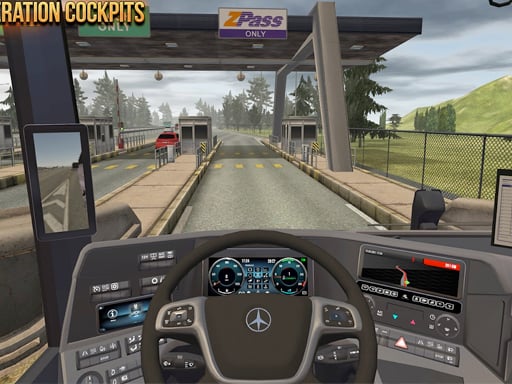
Ultimate City Coach Bus Sim 3D
Falling Beans: Ultimate Knockout
Ultimate City traffic driving 2021
Mega Ramps - Ultimate Races
Fall Cars : Ultimate Knockout Race
Ultimate Traffic Racer
Ultimate Car stunt Game
Ultimate Truck Stunts Simulator 2020
Bus Simulator : Ultimate 2021
Ultimate Boxing
Bus Simulator ultimate parking games bus games
Ultimate Car Driving Simulator 3D
ultimate ninja Naruto Runner
Navigating the vast ocean of browser-based entertainment often leads players to one specific destination that has redefined how we consume quick, engaging media. The phenomenon of crazy games centers on the idea that high-quality gaming shouldn't require a bulky console or a massive download. Instead, these experiences leverage modern web technology like WebAssembly and WebGL to bring complex physics, 3D environments, and real-time multiplayer directly to your Chrome or Firefox tab. You can explore a massive library of these curated experiences at crazygames.com.es, where everything from high-speed racing to intricate logic puzzles is available at a click. Much like the broader category of browser games documented on Wikipedia, these titles are designed for accessibility, allowing someone on a break or using a basic laptop to enjoy the same level of polish once reserved for dedicated software. This ecosystem thrives because it removes the friction between wanting to play and actually starting the game, fostering a community where indie developers can showcase innovative mechanics to millions of active users instantly.
While it might feel like this platform appeared overnight, the evolution of crazy games is actually rooted in the transition from the old Flash era to the modern HTML5 standard. Back in the early 2010s, web gaming was often clunky and prone to crashes, but as browser engines became more robust, the potential for sophisticated "crazy games" grew exponentially. Developers began shifting away from simple 2D sprites toward fully realized 3D worlds that could be streamed in chunks. This history is marked by a move toward better monetization for creators and more stable environments for players. What started as a small collection of hobbyist projects has transformed into a massive industry where global studios now optimize their titles specifically for web portals. Understanding this trajectory helps you appreciate the technical wizardry required to make a complex shooter or a physics-heavy simulation run smoothly without an installation. It is a testament to how far web standards have come in just a decade of development.
At its heart, the concept of crazy games is built on three main pillars: instant load times, intuitive controls, and diverse genre selection. You don't need a tutorial to understand most of these titles because they utilize universal layouts like WASD for movement or a simple mouse click for interaction. This simplicity is intentional, as the goal is to provide immediate gratification. Whether you are looking for a "io" style game where you grow a cell by consuming others or a complex management sim, the fundamentals remain the same. The platform acts as a bridge, connecting players with varied interests under a single, cohesive interface. This accessibility is why the demographic for these games is so broad, ranging from students looking for a quick distraction to adults who enjoy the nostalgia of arcade-style mechanics. By focusing on these core principles, the platform ensures that the barrier to entry remains non-existent for everyone.
What truly separates this experience from a standard mobile app store is the sheer variety of "crazy games" that push the boundaries of what a browser can do. One standout feature is the seamless multiplayer integration; you can often join a global room with dozens of players in under five seconds. Another hallmark is the "responsive design" of the games, which allows them to scale to different screen sizes without losing graphical fidelity. Many titles also feature sophisticated save systems that use local storage, meaning you can close your tab and return to your high score later. The inclusion of social features, such as leaderboards and achievement badges, adds a layer of competition that keeps the community engaged. Furthermore, the constant rotation of "New" and "Trending" sections ensures that the content never feels stagnant, providing a fresh stream of mechanics and visual styles to explore every single day.
To truly excel in the competitive side of crazy games, you need to look beyond the basic button prompts and develop a sense of "web-latency" timing. Since these games run in a browser, your reaction time needs to account for slight variations in frame delivery. A winning strategy often involves optimizing your browser's performance by disabling hardware-heavy background apps. In multiplayer arenas, the best players focus on "zoning" or controlling the center of the map to dictate the flow of the match. Using shortcuts like 'F' for fullscreen can also help eliminate visual distractions from other tabs, allowing for total immersion. Strategy isn't just about fast fingers; it is about choosing the right loadout or character class that counters the current lobby's playstyle. By treating these browser titles with the same tactical respect as a AAA release, you can quickly climb the ranks and dominate the digital leaderboards.
One of the most appealing aspects for many users is the ability to find crazy games that are unblocked on various networks. Because these games are hosted on diverse mirrors and utilize standard web ports, they are often accessible in environments where traditional gaming storefronts are restricted. This "play anywhere" philosophy means you can get a quick round of a puzzle game or a strategy match regardless of your location. The unblocked nature of these platforms has turned them into a staple for people who only have access to a web browser for their entertainment. It provides a democratic way to enjoy high-quality software without the need for expensive hardware or subscriptions. As long as you have a stable internet connection, the entire library is open to you, offering a level of freedom that is becoming increasingly rare in the modern, siloed gaming landscape.
The global obsession with crazy games stems from the "snackable" nature of the content. In a world where many games demand fifty hours of your time, these titles offer a complete, satisfying loop in just five minutes. This makes them the perfect companion for the modern attention span, providing bursts of dopamine through clever level design and vibrant aesthetics. The "crazy games" ecosystem also acts as a breeding ground for viral hits; many games that start here eventually blow up on social media or get ported to larger consoles. There is a certain thrill in discovering a hidden gem before it goes mainstream, and the platform's layout encourages this kind of exploration. By prioritizing fun over complex monetization or long-winded narratives, it captures the pure essence of what gaming was always meant to be: an escape into a world of creativity and challenge.
Do I need to install any plugins to play these games? No, modern crazy games run natively on HTML5 and WebGL, meaning you do not need Flash or any external plugins. Just ensure your browser is up to date for the best performance.
Are these games actually free to play? Yes, the titles are free to access. The platform is supported by brief advertisements, which allows developers to keep the content available without charging the players.
Can I play these games on my mobile phone? Many of the games are optimized for mobile browsers. If a game supports touch controls, you can play it on your smartphone or tablet just as easily as on a desktop.
How do I save my progress in a browser game? Most games use "Local Storage" or cookies to save your data. As long as you don't clear your browser's cache or use an incognito window, your progress should stay intact.
Is it safe to play these games on a public computer? Playing on the official site is generally safe as the games are sandboxed within the browser. However, always be cautious about entering personal information on any public terminal.